Oil prices are one of the most closely watched indicators in the global economy. From the cost of gasoline at local fuel stations to international trade and transportation expenses, oil prices influence many aspects of everyday life. When oil prices rise or fall, the impact is often felt worldwide.
In this article, we will explore what oil prices are, why they fluctuate, the major factors that influence them, and how changes in crude oil costs affect economies, businesses, and consumers.
Table of Contents
What Are Oil Prices?
Oil prices refer to the cost of crude oil in the global market. Crude oil is a natural fossil fuel extracted from underground reservoirs and refined into products such as gasoline, diesel, jet fuel, and heating oil.
The price of crude oil is typically measured per barrel and is determined through trading on global commodity markets. Two of the most widely used benchmarks for oil pricing are:
- Brent Crude
- West Texas Intermediate
These benchmarks help determine oil prices worldwide and are used by governments, companies, and investors to track market trends.
Why Oil Prices Matter
Oil plays a crucial role in the global economy. Many industries depend heavily on petroleum products to operate efficiently.
Key Areas Impacted by Oil Prices
- Transportation and logistics
- Manufacturing and industrial production
- Aviation and shipping
- Energy generation
- Consumer goods pricing
When oil prices increase, transportation and production costs rise, which can lead to higher prices for goods and services.
Major Factors That Affect Oil Prices
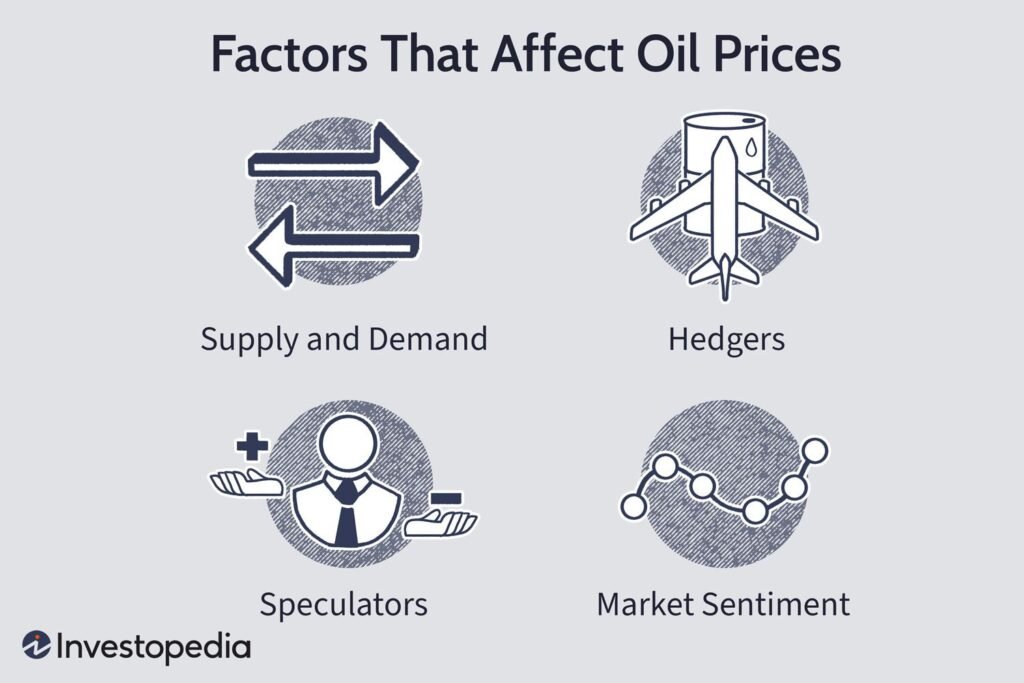
Oil prices are influenced by a wide range of economic, political, and environmental factors.
1. Supply and Demand
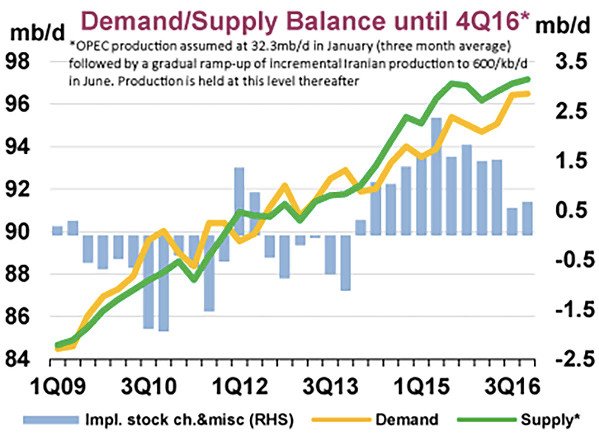
The most basic driver of oil prices is supply and demand. When demand for oil increases faster than supply, prices tend to rise. Conversely, when supply exceeds demand, prices usually fall.
Growing economies, especially in developing countries, often increase global demand for oil.
2. Decisions by Oil-Producing Countries
Oil production levels are heavily influenced by the policies of major oil-producing countries. One of the most influential organizations in this area is OPEC.
OPEC members coordinate production levels to stabilize or influence global oil markets. When production is reduced, prices often rise due to limited supply.
3. Global Economic Conditions
Economic growth directly impacts oil demand. When the global economy is strong, industries produce more goods and transportation increases, which raises demand for oil.
However, during economic slowdowns or recessions, demand for energy declines and oil prices often drop.
4. Geopolitical Events
Political tensions in major oil-producing regions can cause sudden changes in oil prices. Conflicts, sanctions, or disruptions in oil-producing countries may limit supply, pushing prices higher.
Regions such as the Middle East play a significant role in global oil supply, making geopolitical stability an important factor in price movements.
5. Currency Exchange Rates
Oil is usually traded in U.S. dollars. When the dollar becomes stronger, oil can become more expensive for countries using other currencies. This can reduce demand and influence prices.
Exchange rates, therefore, play an indirect but important role in the global oil market.
6. Natural Disasters and Weather
Extreme weather events such as hurricanes or storms can disrupt oil production and refinery operations. For example, hurricanes affecting offshore oil rigs or coastal refineries can temporarily reduce supply.
When production slows due to natural disasters, oil prices may increase.
How Oil Prices Affect Consumers
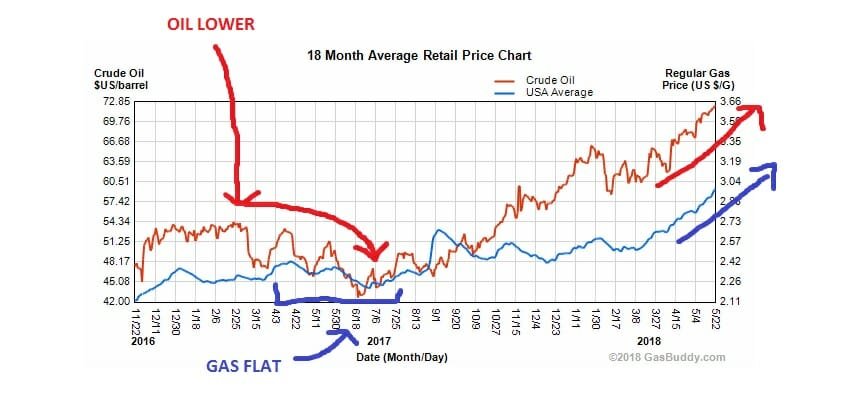
Most people experience the impact of oil prices through fuel costs. When oil prices rise, gasoline and diesel prices usually increase as well.
Everyday Effects of Rising Oil Prices
- Higher transportation costs
- Increased airfare prices
- Higher shipping costs for goods
- Increased food prices due to transport expenses
These changes can influence overall inflation in many countries.
Oil Prices and the Global Economy
Oil prices are closely connected to global economic health. Governments, financial institutions, and investors constantly monitor oil price movements.
Impact on Different Countries
Oil prices affect countries differently depending on whether they are oil producers or oil importers.
Oil-exporting countries benefit when prices rise because they earn more revenue from exports.
Oil-importing countries may face economic pressure when prices rise because they must spend more on energy imports.
Renewable Energy and Oil Prices
In recent years, renewable energy sources such as solar, wind, and electric vehicles have started influencing the long-term outlook for oil demand.
As more countries invest in clean energy technologies, future oil demand may change. However, oil still remains one of the world’s most important energy resources.
The transition toward renewable energy may gradually reshape global energy markets over the coming decades.
Oil Prices and Investment Markets
Oil prices are also closely watched by investors. Changes in oil prices can influence:
- Stock markets
- Energy company shares
- Commodity trading markets
- Currency values
Investors often use oil price trends as indicators of economic conditions.
For example, rising oil prices can boost profits for energy companies but may create challenges for transportation industries.
The Future of Oil Prices
Predicting oil prices is extremely difficult because so many factors influence the market. Analysts consider a wide range of variables, including:
- Economic growth
- Energy demand
- Political stability
- Technological advances
- Environmental policies
While renewable energy is expanding, oil is expected to remain an essential part of the global energy mix for many years.
Why Oil Prices Will Always Be Important
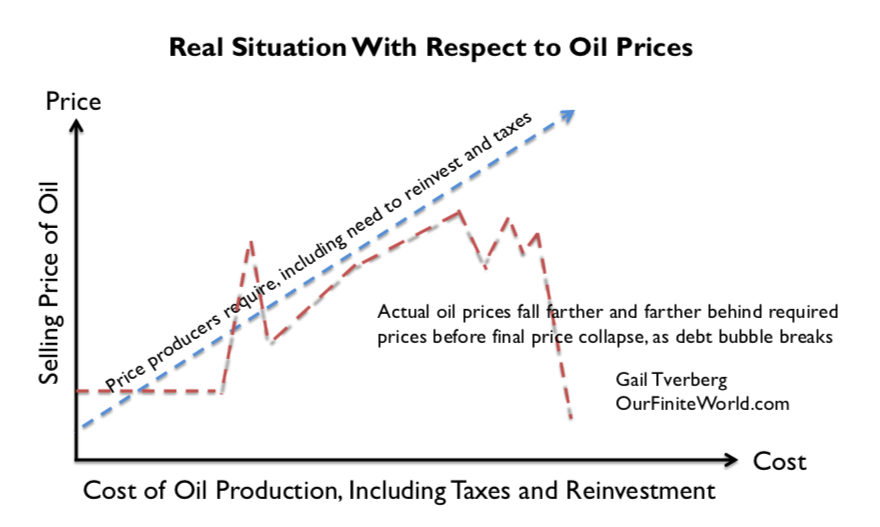
Despite ongoing shifts toward clean energy, oil remains a critical resource for modern society. It powers transportation systems, supports industrial production, and drives global trade.
Because of this, oil prices will likely continue to influence economies, markets, and everyday life around the world.
Final Thoughts
Oil prices are more than just numbers on a commodity chart—they reflect the balance of global supply, demand, politics, and economic activity. From transportation costs to national economies, the impact of oil price changes reaches nearly every corner of modern life.
Understanding how oil prices work helps individuals, businesses, and governments make informed decisions about energy use, investments, and economic planning.
As the world moves toward new energy technologies, oil will remain a central topic in global economic discussions for years to come.
For More Please Visit: Streetwearhub