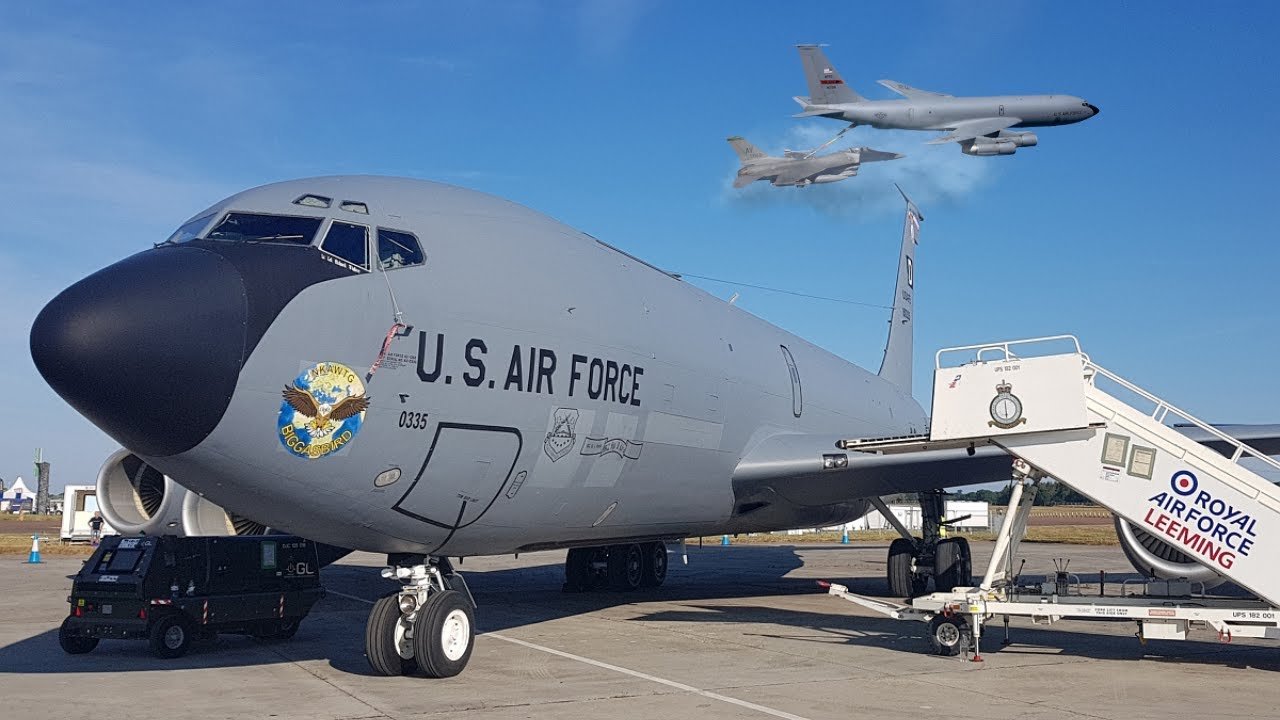
The Boeing KC-135 Stratotanker is one of the most important aircraft in modern military aviation. For decades, it has played a crucial role in extending the range and endurance of military aircraft by providing aerial refueling in midair.
Operated primarily by the United States Air Force, the KC-135 has supported countless missions around the world, from combat operations to humanitarian efforts. Despite being introduced many years ago, the aircraft continues to serve as a vital part of the global airpower strategy.
In this article, we’ll explore the history of the KC-135, its design, missions, and why it remains one of the most reliable tanker aircraft ever built.
Table of Contents
The History of the KC-135 Stratotanker
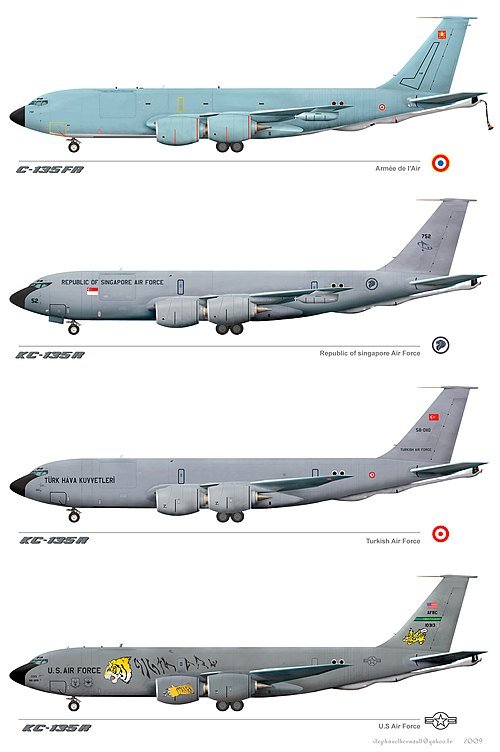
The KC-135 was first developed during the early Cold War period. At the time, the U.S. military needed a reliable aircraft capable of refueling bombers and fighter jets during long missions.
The aircraft was developed by Boeing, which designed the KC-135 based on the same early jet technology that later led to commercial aircraft like the Boeing 707.
The KC-135 entered service with the U.S. Air Force in 1957. Since then, it has become one of the longest-serving military aircraft in aviation history.
What Is Aerial Refueling?
Aerial refueling is the process of transferring fuel from one aircraft to another while both are flying.
This capability allows military aircraft to:
- Stay in the air much longer
- Travel greater distances
- Complete complex missions without landing
- Reduce the need for forward air bases
The KC-135 makes this possible by carrying large amounts of fuel and transferring it to other aircraft using a specialized refueling system.
How the KC-135 Refueling System Works
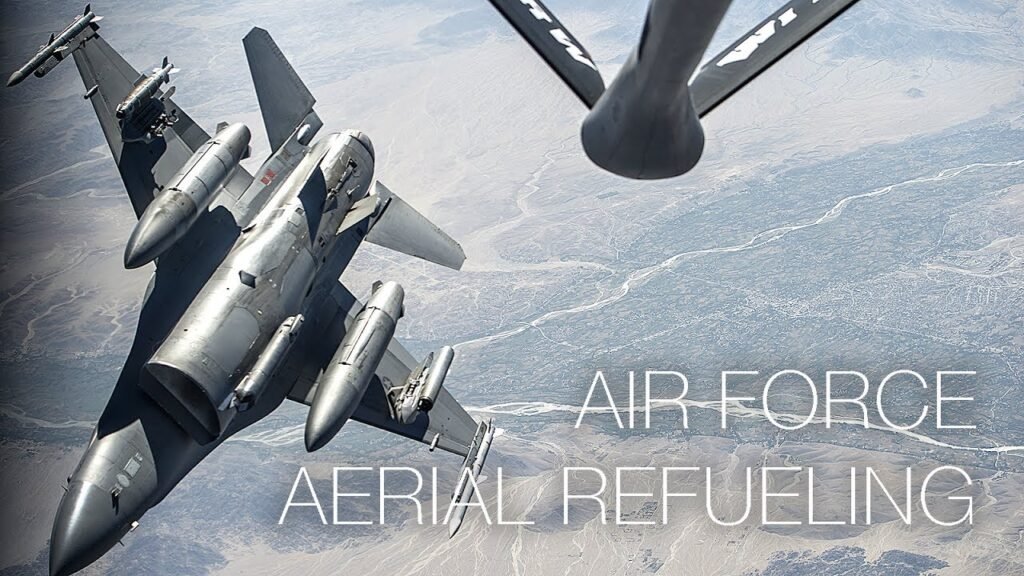
One of the most unique parts of the KC-135 is its flying boom refueling system.
A trained boom operator sits in the rear of the aircraft and controls a telescoping boom that connects to the receiving aircraft.
Refueling Process
- The receiving aircraft approaches the tanker from behind.
- The boom operator guides the refueling boom into the aircraft’s fuel receptacle.
- Fuel is transferred through the boom into the receiving aircraft.
- Once refueling is complete, the aircraft safely separates.
This process requires extreme precision and coordination between pilots and boom operators.
Key Specifications of the KC-135
The KC-135 Stratotanker is designed to carry large amounts of fuel while maintaining long-range flight capability.
Basic Specifications
- Manufacturer: Boeing
- First flight: 1956
- Length: Approximately 136 feet
- Wingspan: About 131 feet
- Maximum speed: Around 580 mph
- Fuel capacity: Over 200,000 pounds of fuel
These specifications allow the aircraft to refuel multiple fighter jets or bombers during a single mission.
Aircraft That the KC-135 Supports
The KC-135 can refuel many types of military aircraft used by the United States and allied forces.
Examples of Aircraft Refueled by KC-135
- F-15 Eagle
- F-16 Fighting Falcon
- B-52 Stratofortress
- C-17 Globemaster III
By supporting these aircraft, the KC-135 significantly increases the operational capabilities of air forces.
The Role of the KC-135 in Military Operations
The KC-135 has supported nearly every major U.S. military operation since its introduction.
Major Operations Supported
- Cold War strategic deterrence missions
- Gulf War operations
- Operations in Afghanistan and Iraq
- NATO missions and global security patrols
Without aerial refueling aircraft like the KC-135, many long-distance missions would not be possible.
Humanitarian and Global Support Missions
While the KC-135 is mainly a military aircraft, it has also played an important role in humanitarian operations.
The aircraft has helped support disaster relief efforts by enabling transport aircraft to deliver supplies over long distances.
These missions include:
- Delivering aid after natural disasters
- Supporting international peacekeeping operations
- Providing logistical support during emergencies
This versatility highlights the aircraft’s importance beyond combat operations.
Modern Upgrades and Improvements
Although the KC-135 is an older aircraft, it has undergone numerous upgrades over the decades.
Key Upgrades Include
- More fuel-efficient engines
- Updated navigation and communication systems
- Improved avionics technology
- Enhanced safety features
These improvements allow the aircraft to remain operational and effective in modern military environments.
The Future of the KC-135 Fleet
The U.S. Air Force is gradually introducing newer tanker aircraft such as the Boeing KC-46 Pegasus.
However, the KC-135 continues to serve alongside these newer aircraft because of its reliability and proven performance.
Many experts believe the Stratotanker will remain in service for several more years while newer tankers gradually replace it.
Why the KC-135 Is So Important
The KC-135 remains one of the most important support aircraft in military aviation.
Key Reasons for Its Importance
- Enables long-distance military operations
- Supports multiple aircraft during missions
- Extends flight time for fighters and bombers
- Provides strategic global mobility
These capabilities make the aircraft a cornerstone of modern air power.
Final Thoughts
The KC-135 Stratotanker has played an extraordinary role in aviation history. For more than six decades, it has supported military missions around the world and helped ensure that aircraft can travel farther and remain airborne longer.
Its reliability, versatility, and strategic importance have made it one of the most valuable aircraft ever produced.
Even as newer tanker aircraft enter service, the legacy of the KC-135 will continue to influence military aviation for years to come.
For aviation enthusiasts and military professionals alike, the KC-135 remains a powerful symbol of innovation and endurance in the skies.
For More Please Visit: Streetwearhub