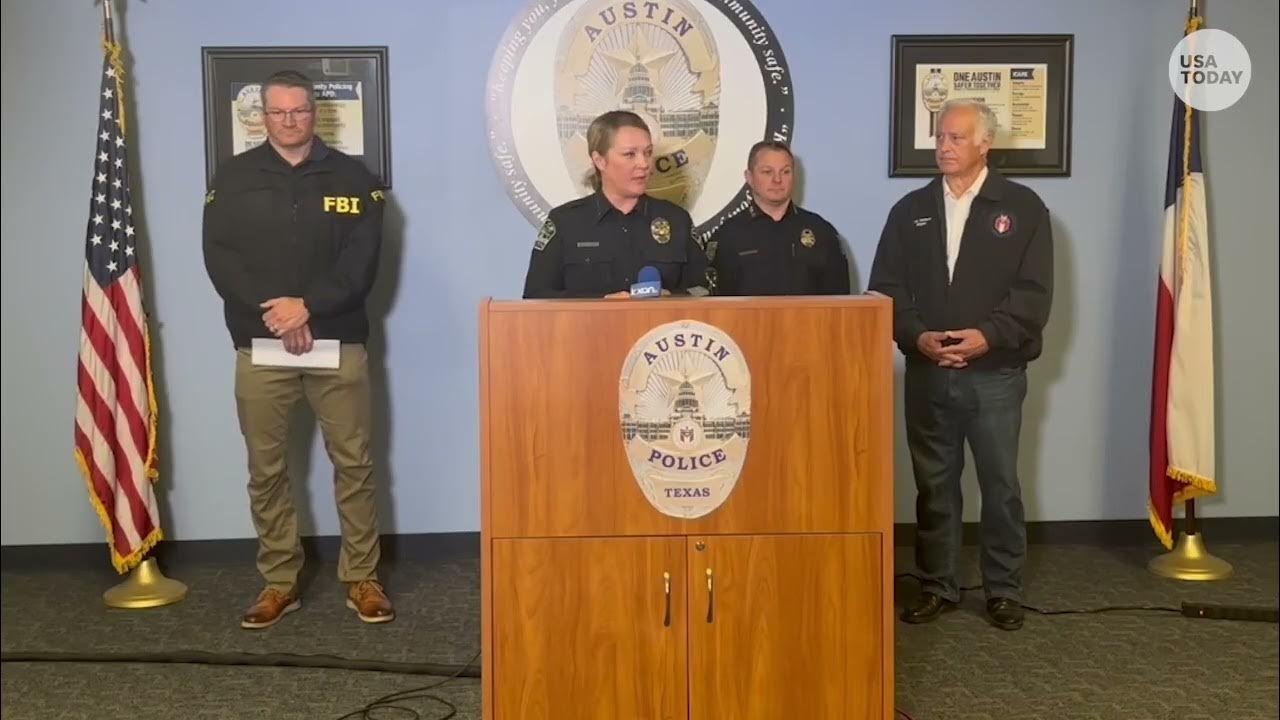
The city of Austin has recently been shaken by reports of a shooting that has drawn local and national attention. Incidents like this not only impact victims and their families but also leave lasting effects on communities, raising concerns about safety, law enforcement response, and long-term prevention efforts.
In this article, we’ll provide a clear and respectful overview of the Austin shooting, what authorities have confirmed so far, how the community is responding, and what it means moving forward.
Table of Contents
What Happened in the Austin Shooting?
Authorities confirmed that a shooting occurred in Austin, prompting a rapid response from emergency services and law enforcement. Officers from the Austin Police Department arrived at the scene shortly after receiving emergency calls.
While details in situations like this can evolve quickly, officials typically provide verified updates through press briefings and official statements. Early reports often focus on:
- The location of the incident
- The number of individuals affected
- Whether a suspect is in custody
- Immediate safety guidance for the public
Law enforcement agencies emphasize accuracy over speed to prevent misinformation from spreading.
Immediate Law Enforcement Response
When a shooting occurs, the first priority for police and emergency responders is to secure the area and provide medical assistance to victims. In Austin, emergency personnel are trained for rapid crisis response, ensuring injured individuals receive prompt treatment and that potential threats are neutralized.
Standard response procedures may include:
- Establishing a secure perimeter
- Clearing nearby buildings
- Coordinating with medical teams
- Investigating witness accounts
Authorities often ask residents to avoid the area while investigations are ongoing.
Community Reaction in Austin
Austin is known for its vibrant culture, music scene, and strong sense of community. When a tragic event occurs, residents often come together to support those affected.
In the aftermath of the shooting, community members may organize:
- Vigils or memorial gatherings
- Fundraisers for victims’ families
- Mental health support initiatives
- Public forums to discuss safety concerns
Such responses highlight the resilience and unity of the Austin community during difficult times.
Impact on Public Safety and Local Neighborhoods
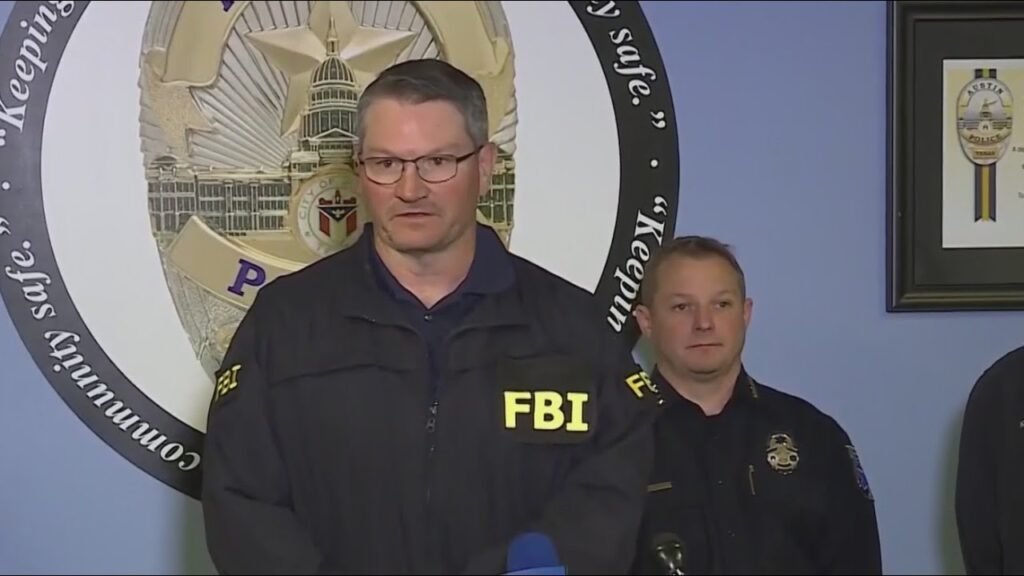
Incidents like the Austin shooting can raise concerns about public safety, particularly in neighborhoods where the event occurred. Residents may feel anxious or uncertain in the days following such an event.
Local authorities typically increase patrols in affected areas and encourage residents to:
- Report suspicious activity
- Stay informed through official channels
- Follow community safety guidelines
Public reassurance and transparency are critical to rebuilding a sense of security.
Understanding the Broader Context
While any shooting is deeply concerning, experts caution against drawing broad conclusions from a single event. Crime patterns are influenced by multiple factors, including:
- Socioeconomic conditions
- Access to firearms
- Community resources
- Law enforcement strategies
City officials often analyze trends over time to determine whether an incident reflects a larger pattern or is isolated.
The Role of Media and Social Platforms
In today’s digital age, information spreads quickly—sometimes faster than verified facts become available. Social media posts, livestreams, and rumors can complicate investigations and cause unnecessary panic.
Authorities consistently advise residents to:
- Rely on official police statements
- Avoid sharing unverified claims
- Respect the privacy of victims
Responsible reporting plays an essential role in maintaining public trust and minimizing misinformation.
Support for Victims and Families
Behind every headline are real people whose lives are forever changed. Victims and their families often require long-term support, including:
- Medical care
- Counseling services
- Financial assistance
- Legal guidance
Local organizations and charities frequently step in to provide immediate and ongoing help.
Community compassion is one of the most powerful responses to tragedy.
Mental Health and Emotional Well-Being
Events like the Austin shooting can impact not only those directly involved but also witnesses, first responders, and community members who consume the news.
Mental health professionals recommend:
- Talking about feelings with trusted individuals
- Limiting exposure to distressing news coverage
- Seeking counseling if anxiety or stress persists
Schools and workplaces may also offer support resources following traumatic events.
What Happens Next in the Investigation?
Investigations into shootings typically involve multiple steps:
- Collecting physical evidence
- Interviewing witnesses
- Reviewing surveillance footage
- Forensic analysis
- Determining possible motives
Authorities will release updates as facts are confirmed. Legal proceedings, if charges are filed, may follow in local courts.
Patience is important, as thorough investigations can take time.
Safety Tips for Residents
While law enforcement works to ensure public safety, residents can also take proactive steps:
- Stay alert in public areas
- Know emergency exits in crowded venues
- Keep emergency contacts easily accessible
- Participate in neighborhood safety programs
Preparedness can help individuals respond effectively during emergencies.
Conversations Around Prevention
In the aftermath of shootings, discussions often arise about prevention strategies. These may include:
- Community outreach programs
- Youth engagement initiatives
- Gun safety education
- Policy discussions at the local and state levels
Constructive dialogue is essential for identifying practical solutions that balance rights, safety, and community well-being.
How Austin Moves Forward
Austin has faced challenges before and has consistently demonstrated resilience. From natural disasters to public health crises, the city’s strength lies in its community bonds and proactive leadership.
Moving forward, the focus will likely remain on:
- Supporting victims
- Ensuring accountability
- Strengthening public safety measures
- Promoting unity rather than division
Difficult moments can become opportunities for communities to reaffirm shared values and commitment to one another.
Final Thoughts on the Austin Shooting
The Austin shooting is a sobering reminder of the importance of safety, community support, and responsible communication. While investigations continue, it is vital to approach the situation with empathy, patience, and a commitment to verified information.
For residents of Austin, the path forward involves healing, collaboration, and collective action to ensure that the city remains a safe and welcoming place for all.
For More Please Visit: Streetwearhub