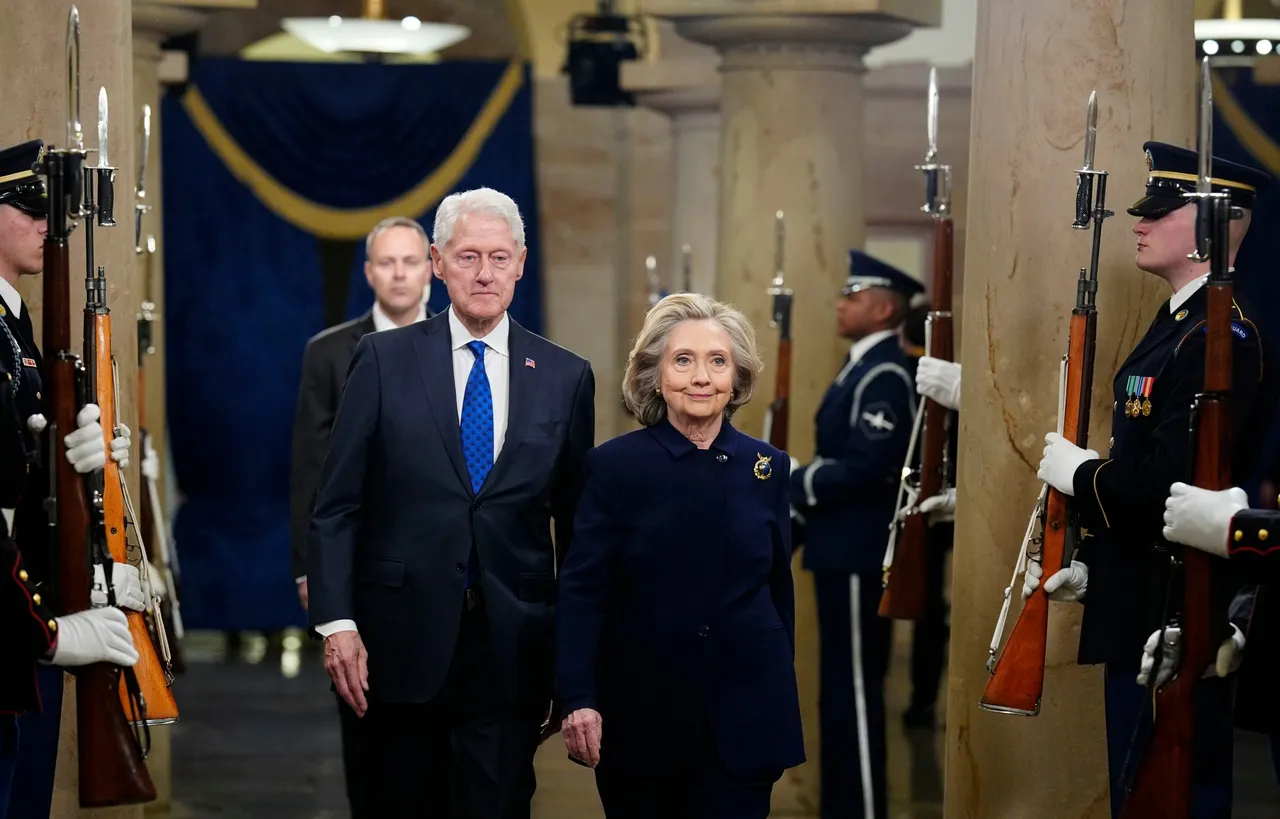
Hillary Clinton is one of the most influential and widely discussed political leaders in modern American history. Over the decades, she has served as First Lady of the United States, U.S. Senator, Secretary of State, and the first woman nominated for president by a major political party. Her long career in public service has shaped national policy, global diplomacy, and conversations about women in leadership.
This SEO-optimized article explores Hillary Clinton’s early life, political journey, key achievements, controversies, and lasting impact.
Table of Contents
Early Life and Education
Hillary Diane Rodham was born on October 26, 1947, in Chicago, Illinois. Raised in a middle-class family, she developed strong academic and leadership skills from an early age.
She attended Wellesley College, where she made history as the first student chosen to deliver the commencement speech. She later earned her law degree from Yale Law School, where she met Bill Clinton. During her early legal career, she focused on children’s rights and social justice issues, which would later define much of her public work.
Becoming First Lady of the United States
Hillary Clinton became First Lady in 1993 when her husband, Bill Clinton, took office as the 42nd President of the United States.
Unlike many First Ladies before her, Hillary took an active role in policy-making. She led efforts to reform the healthcare system, though the proposal did not pass Congress. Despite that setback, she continued advocating for children’s health insurance, women’s rights, and education reform.
Her speech at the 1995 United Nations Fourth World Conference on Women in Beijing became one of her most famous moments, where she declared that women’s rights are human rights.
U.S. Senator from New York
In 2000, Hillary Clinton made history again by becoming the first former First Lady elected to public office. She served as a U.S. Senator from New York from 2001 to 2009.
During her time in the Senate, she worked on issues including:
- National security
- Healthcare
- Economic recovery
- Support for military families
After the September 11 attacks in 2001, she helped secure billions in funding to rebuild New York City and support affected communities.
Her time in the Senate strengthened her national reputation as an experienced policymaker.
Secretary of State (2009–2013)
In 2009, President Barack Obama appointed Hillary Clinton as U.S. Secretary of State. In this role, she became the chief diplomat of the United States.
Key Achievements as Secretary of State
As Secretary of State, Hillary Clinton:
- Promoted global diplomacy
- Focused on strengthening international alliances
- Advocated for women’s rights and human rights worldwide
- Supported diplomatic efforts during the Arab Spring
She traveled extensively, visiting over 100 countries, and promoted what she called “smart power,” combining diplomacy, development, and defense strategies.
Her leadership during complex global events solidified her experience in foreign policy.
The 2016 Presidential Campaign
One of the most defining moments of Hillary Clinton’s career was the 2016 presidential election. She became the first woman nominated for president by a major political party in the United States.
Campaign Focus
Her campaign focused on:
- Expanding healthcare access
- Raising the minimum wage
- Addressing climate change
- Supporting immigration reform
- Promoting gender equality
Although she won the popular vote, she lost the Electoral College to Donald Trump in a highly contested election.
Despite the loss, her nomination marked a historic milestone for women in American politics.
Controversies and Challenges
Hillary Clinton’s long career has not been without controversy. One of the most discussed issues was the investigation into her use of a private email server during her time as Secretary of State. The matter became a central topic during the 2016 campaign.
Throughout her public life, she has faced intense political scrutiny and criticism from opponents. Supporters view her as highly experienced and resilient, while critics argue against aspects of her policies and decisions.
These controversies have contributed to her image as a polarizing political figure.
Hillary Clinton’s Influence on Women in Leadership
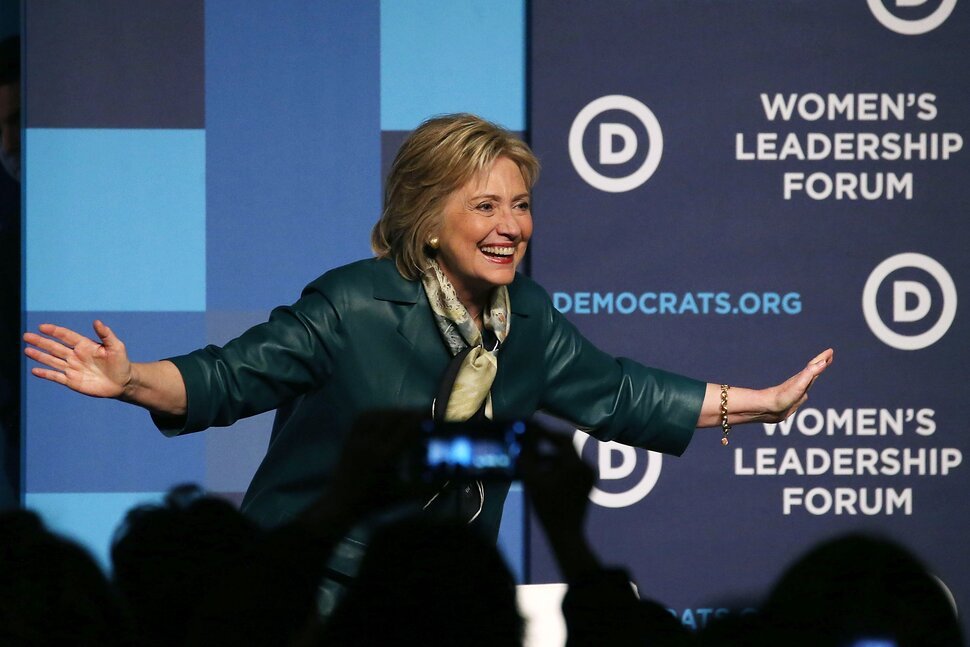
Hillary Clinton’s impact goes beyond political offices. She has inspired many women to pursue leadership roles in politics, law, and public service.
Her presidential nomination broke a major barrier in U.S. politics. Even though she did not win the presidency, her candidacy paved the way for future female candidates.
She continues to advocate for women’s rights and gender equality worldwide.
Life After Politics
Since the 2016 election, Hillary Clinton has remained active in public life. She has written bestselling books, delivered speeches around the world, and continued her advocacy for democracy, voting rights, and women’s empowerment.
Her experience and public presence continue to influence political discussions in the United States and internationally.
Hillary Clinton’s Legacy
Hillary Clinton’s legacy is complex and significant. She has held some of the most powerful positions in American government and has influenced global policy discussions.
Her career highlights include:
- Serving as First Lady with active policy involvement
- Becoming a U.S. Senator
- Leading U.S. diplomacy as Secretary of State
- Breaking barriers as the first female major-party presidential nominee
Few political leaders have had such a broad and lasting impact.
Conclusion
Hillary Clinton remains one of the most important political figures of the 21st century. Her decades of public service, historic achievements, and influence on global diplomacy make her a central figure in modern political history.
Whether admired for her resilience and experience or criticized for her controversies, Hillary Clinton’s role in shaping American and international politics cannot be denied.
For More Please Visit: Streetwearhub