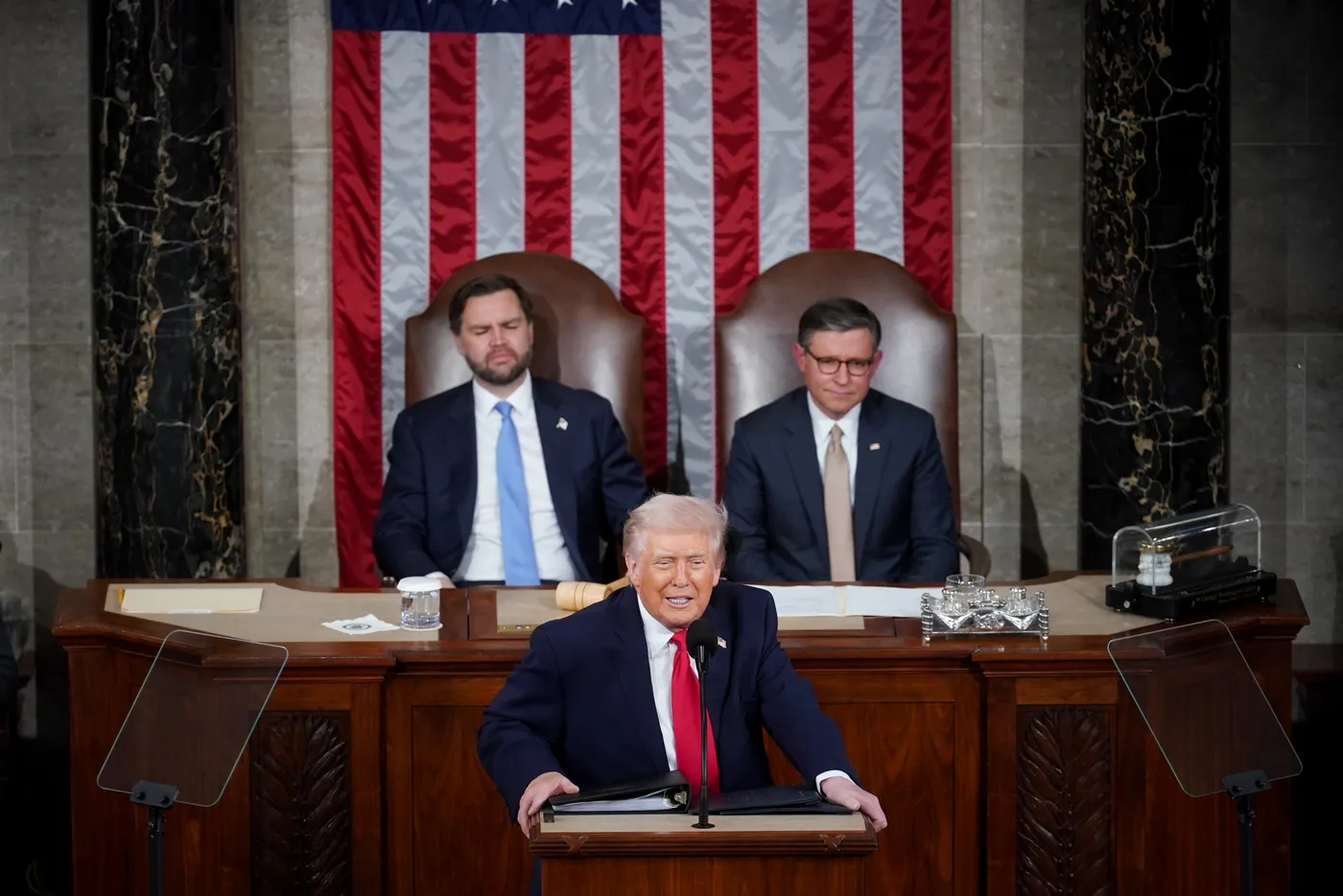
The Trump State of the Union address delivered by Donald Trump drew nationwide attention as millions of Americans tuned in to hear the president outline his priorities, achievements, and vision for the country. The annual address is one of the most important political speeches of the year, setting the tone for legislative battles and shaping national debate.
In this article, we break down the key highlights and major announcements from the Trump State of the Union in a clear, easy-to-read format for U.S. audiences.
Table of Contents
What Is the State of the Union Address?
The State of the Union is a constitutionally mandated speech delivered by the President of the United States to Congress. It provides an update on:
- The condition of the nation
- Economic performance
- National security
- Legislative priorities
- Future policy goals
The address takes place at the U.S. Capitol in Washington, D.C., with members of Congress, Supreme Court justices, military leaders, and invited guests in attendance.
For President Trump, this speech served as both a policy roadmap and a political statement aimed at voters across America.
Economic Growth and Job Creation

Focus on the American Economy
One of the central themes of the Trump State of the Union was economic growth. The president emphasized job creation, manufacturing expansion, and efforts to strengthen American industries.
Key economic points included:
- Support for domestic manufacturing
- Energy independence initiatives
- Reducing regulatory burdens on businesses
- Tax policy aimed at middle-class Americans
Trump framed the economy as a core strength of his administration, pointing to employment numbers and business investment as indicators of progress.
Inflation and Cost of Living
The president also addressed inflation and rising costs, which remain top concerns for American families. He outlined plans to:
- Reduce energy costs
- Strengthen supply chains
- Lower prescription drug prices
- Expand domestic production
These economic proposals are expected to be central topics in upcoming congressional debates.
Immigration and Border Security

Strong Border Policies
Immigration was a major highlight of the Trump State of the Union. The president reaffirmed his commitment to border enforcement and stricter immigration controls.
Proposed measures included:
- Increased border patrol resources
- Expanded use of border technology
- Stricter asylum standards
- Policies targeting illegal immigration
Trump described border security as essential to national safety and economic stability.
Immigration Reform Debate
While emphasizing enforcement, the speech also acknowledged the broader immigration reform debate. The administration signaled openness to discussions on legal immigration reform, though specifics were limited.
Immigration remains one of the most politically charged issues in Washington, and it is likely to dominate headlines in the coming months.
National Security and Foreign Policy

Military Strength and Global Positioning
National security played a significant role in the address. The president highlighted:
- Military funding increases
- Defense modernization
- Support for U.S. troops
- Strategic global alliances
Trump emphasized an “America First” approach while maintaining that the United States must remain strong on the world stage.
Relations With Global Powers
The State of the Union also touched on diplomatic efforts and tensions with global rivals. The administration stressed deterrence, trade negotiations, and protecting American economic interests abroad.
Foreign policy announcements are closely watched by both allies and adversaries, making this portion of the speech particularly impactful internationally.
Energy Policy and American Production

Energy Independence
Energy independence was presented as a cornerstone of economic and national security strategy.
Major energy-related announcements included:
- Expanding domestic oil and gas production
- Supporting natural gas exports
- Encouraging innovation in energy technology
- Reducing reliance on foreign energy sources
The president argued that expanding American energy production lowers consumer costs and strengthens national security.
Environmental Balance
While prioritizing production, the administration also discussed balancing environmental standards with economic growth. This topic remains a point of debate between lawmakers from both parties.
Healthcare and Prescription Drug Costs

Healthcare remains one of the most pressing issues for American voters.
During the Trump State of the Union, the president outlined plans aimed at:
- Increasing price transparency
- Lowering prescription drug costs
- Expanding healthcare access options
- Reducing insurance premiums
Although healthcare reform efforts have faced challenges in Congress, the administration signaled renewed focus on affordability.
Education and Workforce Development
Education and workforce training were also featured prominently.
The president discussed:
- Expanding vocational training programs
- Strengthening technical education
- Supporting school choice initiatives
- Preparing students for high-demand industries
Workforce development is closely tied to economic growth, and the speech emphasized equipping Americans with skills for the modern economy.
Infrastructure and American Investment
Infrastructure investment was another key announcement area.
Proposals included:
- Rebuilding highways and bridges
- Modernizing airports and ports
- Expanding broadband access in rural areas
- Upgrading energy infrastructure
Infrastructure projects often receive bipartisan support, though funding mechanisms remain debated.
Bipartisan Cooperation and Political Tone
Calls for Unity
Despite political divisions in Congress, the president called for bipartisan cooperation on issues like infrastructure, border security, and economic growth.
State of the Union speeches often attempt to strike a unifying tone, and this address included appeals for lawmakers to work together on shared priorities.
Political Reactions
Reactions to the Trump State of the Union were divided along party lines.
Supporters praised:
- Focus on economic growth
- Strong border policies
- Energy independence strategy
Critics questioned:
- Budget implications
- Immigration proposals
- Healthcare feasibility
As with most presidential addresses, the speech sparked immediate political debate across cable news, social media, and Capitol Hill.
Key Takeaways From the Trump State of the Union
Here are the major highlights summarized:
- Economic growth remains a top priority
- Border security and immigration reform are central issues
- Energy independence is a strategic focus
- National security funding will continue
- Healthcare affordability remains a goal
- Infrastructure investment is on the agenda
The speech set the legislative roadmap for the coming year and outlined the administration’s policy direction.
What Happens Next?
Following the State of the Union, Congress will evaluate the president’s proposals. Some initiatives may move quickly, while others could face significant negotiation.
In addition:
- Lawmakers will introduce related bills
- Budget discussions will intensify
- Policy debates will shape upcoming elections
The State of the Union often influences campaign messaging and political strategy nationwide.
Final Thoughts
The Trump State of the Union address provided a comprehensive look at the administration’s priorities — from economic policy and immigration to national security and healthcare.
For American voters, the speech offered both a progress report and a forward-looking agenda. Whether viewed as ambitious or controversial, the announcements made during the address are likely to shape political discussions for months to come.
As always, the real impact of the State of the Union will depend on congressional action, public opinion, and the evolving national landscape.
One thing is certain: the Trump State of the Union has once again placed key national issues front and center in the American political conversation.