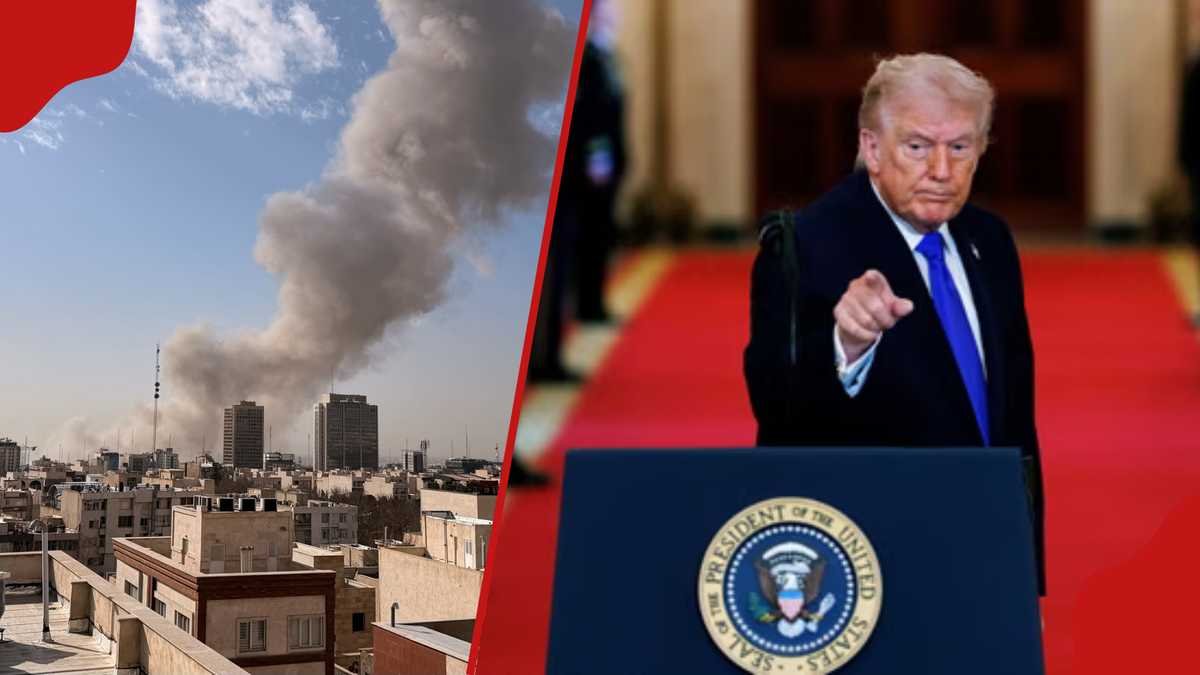
In late February 2026, the Middle East entered an unprecedented military escalation after the United States and Israel launched coordinated strikes on Iran. This dramatic development marked one of the most serious clashes between the U.S. and Iran in decades and raised global concern over regional stability, civilian safety, and future diplomatic prospects.
In this guide, we’ll explain what led to the US attacks on Iran, how the situation unfolded, the immediate aftermath, responses from Iran and the international community, and what this means for the future.
Table of Contents
Background: Rising Tensions Before the Attacks
Tensions between the U.S. and Iran have escalated over the years due to disagreements on Iran’s nuclear program, missile development, and support for armed groups across the Middle East. Efforts to negotiate limits on Iran’s nuclear activities had been underway, but progress stalled as both sides struggled to find common ground on enforcement and security assurances.
Analysts noted a significant U.S. military buildup in the region in early 2026, including warships and aircraft positioned near Iran—a sign that Washington might resort to force if diplomacy faltered.
The Attacks: What Happened
On February 28, 2026, the U.S. and Israel launched a series of military strikes against targets inside Iran. The operation, described by U.S. officials as “major combat operations,” focused on Iranian military infrastructure and leadership sites, including in Tehran and other key locations.
U.S. President Donald Trump characterized the mission as a necessary action to eliminate a security threat and suggested it could inspire internal change within Iran’s political system.
In a related development, one striking incident reportedly resulted in a tragic attack on a primary school in southern Iran, killing dozens of children and many civilians. Iranian authorities condemned this as a “war crime,” intensifying global scrutiny of the escalation.
Why the U.S. Took Military Action
U.S. officials have cited multiple reasons for military involvement:
Nuclear and Missile Concerns
Washington expressed deep concern over Iran’s nuclear and ballistic missile programs, viewing them as threats to regional stability and U.S. allies.
Regional Threat Perceptions
Iran’s support for proxy groups and tensions with U.S. partners like Israel and Gulf States contributed to a broader security rationale for intervention.
Collapse of Diplomatic Talks
Negotiations aimed at a diplomatic resolution broke down shortly before the attacks, leaving military options on the table.
Iran’s Immediate Response
Iran responded swiftly to the joint strikes. Multiple missiles were fired at U.S. and allied military assets across the Middle East, including bases hosting American forces in countries such as Bahrain, Qatar, and Kuwait. Tehran framed these actions as defensive retaliation against external aggression.
The situation rapidly transformed from an aerial bombardment campaign into a broader regional conflict with active military exchanges.
Civilian Impact and Humanitarian Concerns
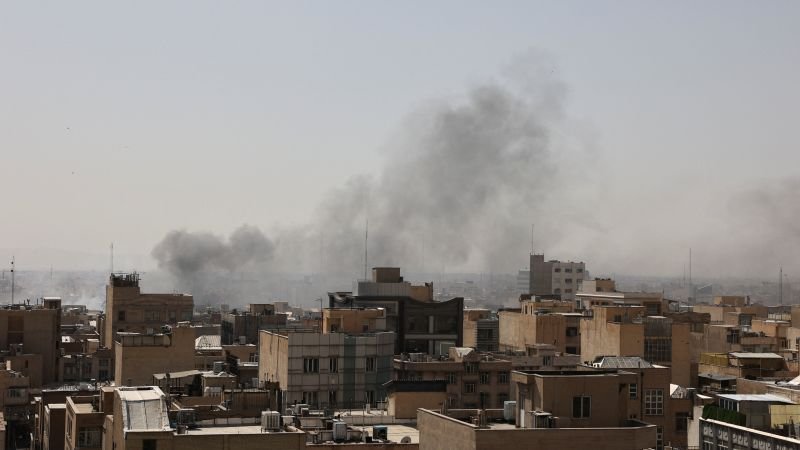
The civilian toll has been a major concern. Reports of civilian deaths and injuries, including children, intensified international debate and calls for a ceasefire. Iranian authorities have condemned the violence, while the U.S. military acknowledged efforts to minimize non-combatant casualties.
Humanitarian organizations and global leaders have emphasized the need to protect civilians amid escalating hostilities.
Global Reactions
The international response has been mixed:
Support from Allied Nations
Some nations, including Israel and certain Western partners, expressed support for U.S. objectives—particularly regarding Iran’s missile and nuclear programs.
Condemnation and Calls for Restraint
Countries like Russia criticized the strikes as unjustified aggression and urged diplomatic engagement. Russian officials warned the strikes could destabilize global relations and increase humanitarian risks.
Other governments and international bodies called for de-escalation and a return to negotiations rather than prolonged conflict.
Impact on the Middle East
The attacks have reverberated across the region:
Gulf States
Some Gulf countries expressed concern about their own security as Iranian retaliation extended to U.S. assets in their territories.
Regional Alliances and Diplomacy
The strikes have strained diplomatic efforts aimed at stabilizing the region and resuming talks on nuclear limitations and conflict prevention.
Security Threat Outlook
Experts suggest the conflict could expand further if miscalculations or additional provocations occur.
What Comes Next?
As of now, the situation remains volatile and evolving. Several key questions dominate international discussions:
- Will further U.S. military action continue beyond the initial strikes?
- Can diplomatic channels be reopened to prevent further escalation?
- How will Iran’s government and military posture evolve in response?
Analysts warn that without a clear and sustainable diplomatic framework, military escalation could persist, prompting wider regional involvement.
How This Affects Global Politics
The U.S. attacks on Iran have implications far beyond the Middle East:
Energy Markets
Tensions in a major oil-producing region could impact global energy prices and supply stability.
Alliances and Security Partnerships
NATO and other security alliances are balancing support with caution due to the risk of broader conflict.
International Law and Norms
The legitimacy and consequences of cross-border strikes raise complex debates in international relations and legal frameworks.
What Ordinary Citizens Are Experiencing
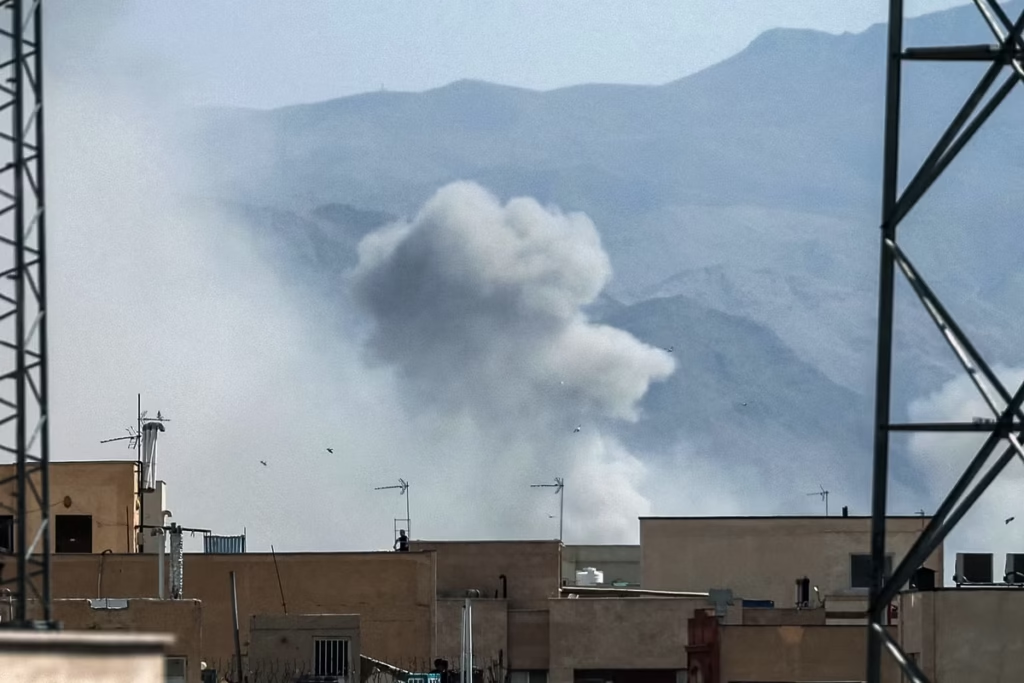
For people in Iran and across the Middle East, the conflict means:
- Disruptions to daily life
- Heightened security alerts
- Fear of further escalation
- Economic pressures and cost-of-living concerns
Many ordinary citizens on all sides hope for peace, while political leaders weigh strategic objectives in a challenging context.
Why This Matters to You
Even if you aren’t in the region, the U.S. attacks on Iran matter globally because:
- International stability can affect economies worldwide
- Energy security influences fuel prices and global markets
- Diplomatic norms shape how nations interact and resolve disputes
- Humanitarian impacts remind us of the human cost of conflict
Understanding this event helps put current world news into a broader perspective.
Final Thoughts
The US attacks on Iran in 2026 represent a serious escalation in the Middle Eastern conflict. Far from a routine military operation, this event has direct consequences for regional peace, global diplomacy, energy security, and civilian well-being.
As developments continue to unfold, global leaders, citizens, and analysts are watching closely—hoping for a peaceful resolution while preparing for possible further changes in military and diplomatic strategy.
The situation underscores how interconnected modern geopolitics are: decisions made thousands of miles away can ripple through economies, societies, and international relations everywhere.
For More Please Visit: Streetwearhub