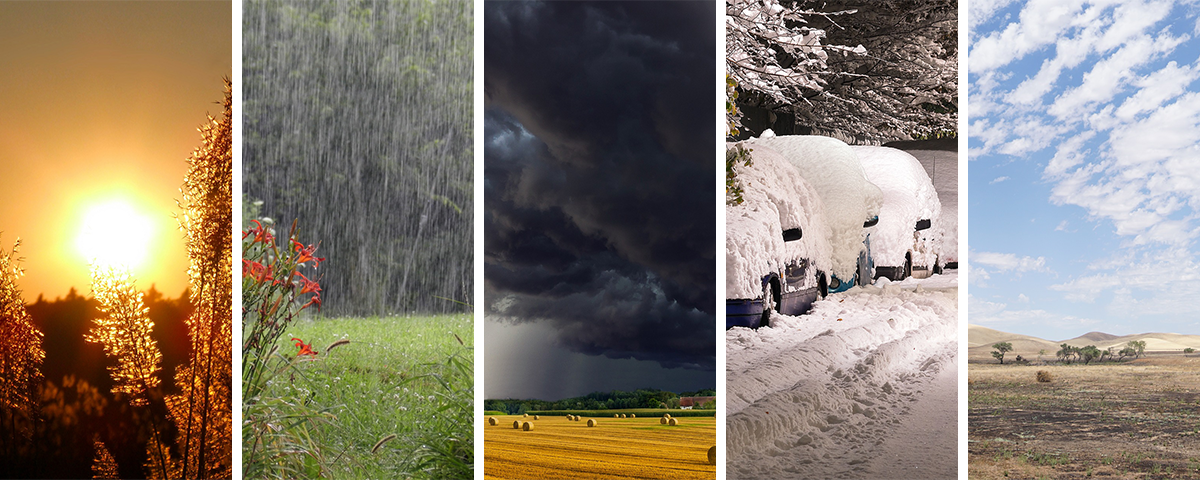
The weather in the United States is known for its incredible diversity. Because the country is so large and stretches across different climates, the weather can vary dramatically from one region to another. While one state may experience freezing temperatures and snow, another may be enjoying warm sunshine on the same day.
Understanding the USA weather helps travelers, students, and residents prepare for seasonal changes and extreme weather events. In this guide, we’ll explore the climate patterns, seasons, and common weather conditions across the country.
Table of Contents
Why USA Weather Is So Diverse
The United States spans a huge geographic area that includes mountains, deserts, plains, forests, and coastlines. This wide variety of landscapes strongly influences weather patterns.
Some key factors affecting the weather include:
- Latitude: Northern states tend to be colder than southern states.
- Elevation: Mountain areas often experience cooler temperatures and more snow.
- Proximity to oceans: Coastal regions usually have milder temperatures.
- Air masses: Cold air from Canada and warm air from the Gulf of Mexico often collide, creating dramatic weather changes.
Because of these factors, predicting weather in the United States requires analyzing many different regional climates.
The Four Main Seasons in the USA

Most parts of the United States experience four distinct seasons. Each season brings its own weather patterns and activities.
1. Spring (March – May)
Spring in the United States is a time of warming temperatures and blooming flowers. However, it is also known for rapidly changing weather conditions.
Common spring weather features:
- Mild to warm temperatures
- Frequent rain showers
- Thunderstorms
- Tornadoes in some regions
States in the Midwest and Great Plains often experience tornado activity during this season, making weather monitoring especially important.
2. Summer (June – August)
Summer is the warmest season in the United States. Temperatures can vary greatly depending on the region.
Typical summer weather includes:
- Hot temperatures in the southern and central states
- Humidity in eastern regions
- Dry heat in western deserts
- Occasional thunderstorms
Cities like Phoenix, Las Vegas, and Dallas often see temperatures above 100°F (38°C) during peak summer months.
Summer is also the season for hurricanes along the Atlantic and Gulf coasts.
3. Autumn (September – November)
Autumn, also called fall, is one of the most beautiful seasons in the United States. The weather becomes cooler, and trees change color, creating stunning landscapes.
Weather characteristics include:
- Cooler temperatures
- Less humidity
- Clear skies
- Colorful fall foliage
States in New England, such as Vermont and New Hampshire, are famous for their spectacular autumn scenery.
4. Winter (December – February)
Winter weather in the United States varies greatly depending on the region.
Northern states experience:
- Heavy snowfall
- Freezing temperatures
- Ice storms
Southern states usually have:
- Mild winters
- Occasional cold fronts
- Little or no snow
Cities like Chicago, New York, and Minneapolis often experience extremely cold temperatures during the winter months.
Regional Weather Differences in the USA
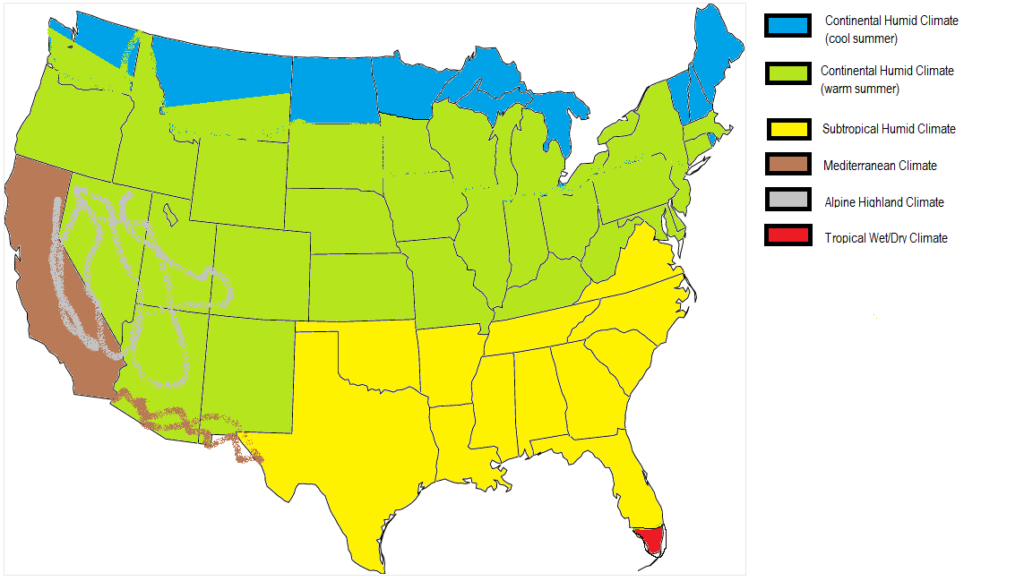
Because the United States covers such a large area, different regions have unique climate patterns.
Northeast
The Northeast experiences all four seasons clearly.
Weather highlights:
- Cold winters with snow
- Warm summers
- Colorful autumn foliage
Major cities include New York, Boston, and Philadelphia.
Southeast
The southeastern United States has a humid subtropical climate.
Typical weather:
- Hot and humid summers
- Mild winters
- Frequent thunderstorms
- Risk of hurricanes
States like Florida, Georgia, and South Carolina often experience tropical storms during hurricane season.
Midwest
The Midwest is known for its dramatic weather changes.
Common weather events include:
- Tornadoes in spring
- Hot summers
- Cold snowy winters
States such as Kansas, Nebraska, and Oklahoma are part of the famous “Tornado Alley.”
Western United States
The western region has some of the most varied weather in the country.
Examples include:
- Mediterranean climate in California
- Desert climate in Arizona and Nevada
- Snowy mountains in Colorado
- Rainy weather in Washington and Oregon
This diversity makes the western U.S. unique in terms of weather patterns.
Extreme Weather in the United States
The United States is known for experiencing a wide range of extreme weather events.
Hurricanes
Hurricanes typically affect coastal areas along the Atlantic Ocean and the Gulf of Mexico. These storms can bring:
- Strong winds
- Heavy rainfall
- Flooding
Hurricane season runs from June to November.
Tornadoes
The United States experiences more tornadoes than any other country in the world.
These storms often occur in:
- Texas
- Oklahoma
- Kansas
- Nebraska
Tornadoes can develop quickly and cause significant damage, making early warnings very important.
Snowstorms
Winter storms can bring heavy snow and blizzard conditions, especially in northern states.
Snowstorms may cause:
- Travel delays
- Power outages
- School closures
Cities in the Great Lakes region often experience lake-effect snow, which can produce large amounts of snowfall.
How Climate Change Is Affecting the USA Weather
Climate change is increasingly influencing weather patterns across the United States.
Some noticeable changes include:
- More intense heat waves
- Stronger hurricanes
- Increased rainfall in some areas
- Longer wildfire seasons in western states
Scientists and environmental organizations continue to study these changes to better understand their long-term impacts.
Tips for Travelers Visiting the USA
If you plan to travel in the United States, it is important to check the weather before your trip.
Helpful tips include:
- Always check local forecasts
- Pack clothing for changing temperatures
- Be aware of hurricane or tornado seasons
- Follow local safety guidelines during extreme weather
Weather can change quickly in many parts of the country, so preparation is key.
Final Thoughts
The weather in the United States is incredibly diverse and constantly changing. From snowy winters in the north to sunny beaches in the south, every region offers a unique climate experience.
Understanding seasonal patterns, regional differences, and extreme weather events can help people stay safe and plan their activities better. Whether you are traveling, studying, or simply curious about climate patterns, the United States provides one of the most fascinating weather systems in the world.
For More Please Visit: Streetwearhub