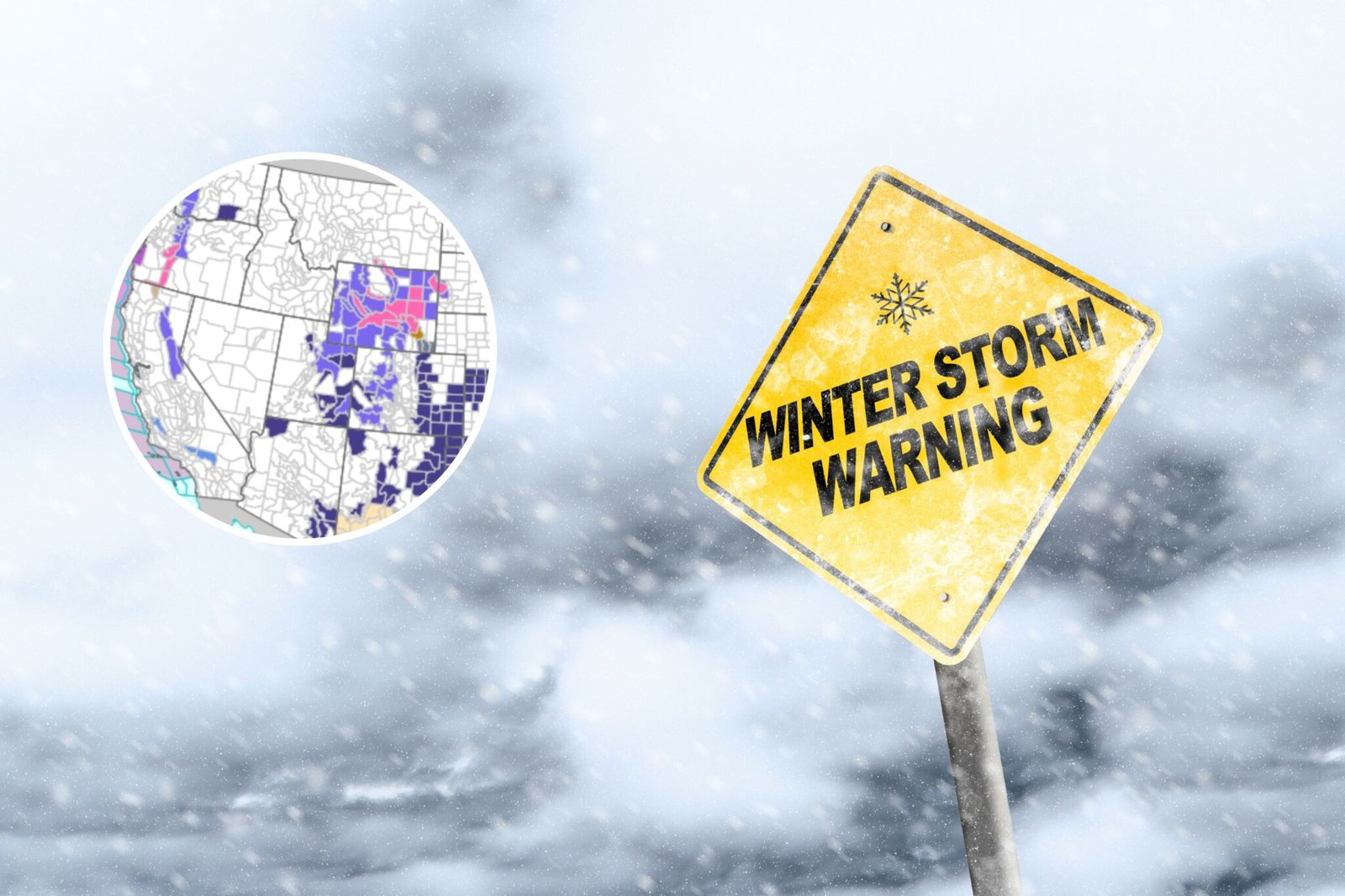
Winter weather can be beautiful, but it can also be dangerous. When meteorologists issue a winter storm warning, it means severe winter weather is expected, and people should prepare immediately. Heavy snow, strong winds, icy roads, and extremely cold temperatures can all occur during these storms.
Warnings are typically issued by agencies such as the National Weather Service, which monitors weather conditions and alerts the public when dangerous storms are approaching.
In this guide, we’ll explain what a winter storm warning means, what causes winter storms, and how you can stay safe when severe winter weather hits.
Table of Contents
What Is a Winter Storm Warning?
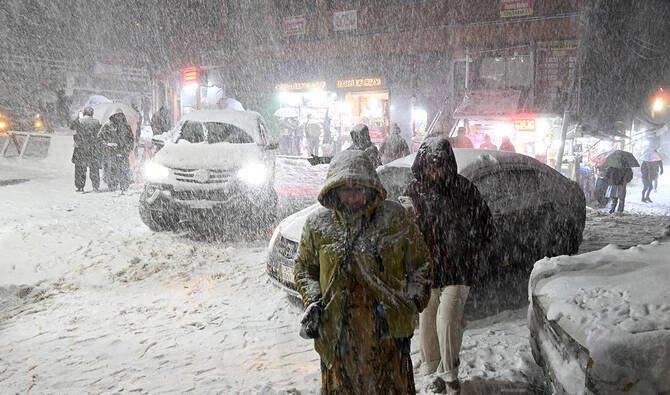
A winter storm warning is an official alert that dangerous winter weather conditions are either happening or expected soon. This warning typically indicates that heavy snowfall, freezing rain, or strong winds will significantly affect travel and daily life.
Weather agencies issue this warning when snowfall amounts are expected to reach significant levels, often between 6 to 12 inches (15–30 cm) or more within a short period. In some cases, blizzard-like conditions may also occur.
Unlike a winter storm watch, which means conditions are possible, a warning means the storm is very likely or already occurring.
What Weather Conditions Are Included in a Winter Storm Warning?
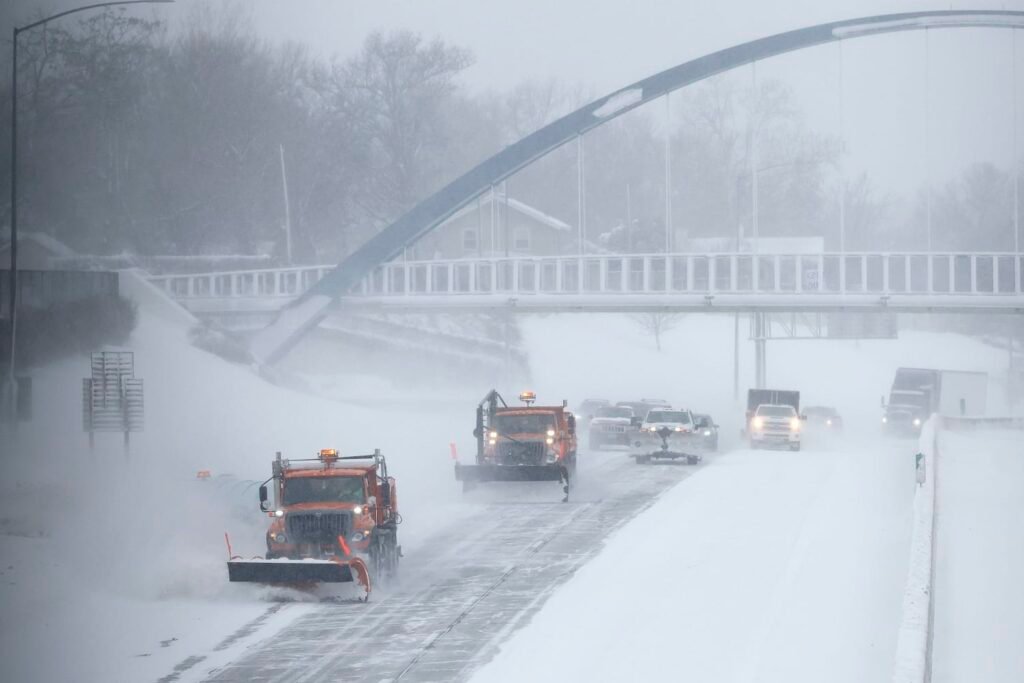
Several types of severe weather can trigger a winter storm warning.
Heavy Snowfall
One of the most common reasons for a winter storm warning is heavy snow. Large amounts of snow can quickly accumulate and block roads, close airports, and disrupt transportation systems.
Freezing Rain and Ice
Freezing rain creates ice on roads, sidewalks, power lines, and trees. Even a small amount of ice can make driving extremely dangerous and lead to power outages.
Strong Winds
High winds combined with snow can create blizzard conditions, reducing visibility and causing snowdrifts that block roads.
Extreme Cold Temperatures
Many winter storms bring extremely cold air that increases the risk of frostbite and hypothermia if people stay outside too long.
How Winter Storms Form
Winter storms develop when cold air meets warm, moist air in the atmosphere.
This combination creates the perfect conditions for snow and ice. Moisture rises into the atmosphere, cools down, and forms snowflakes or freezing precipitation.
Several weather patterns can cause winter storms, including:
- Arctic cold fronts
- Low-pressure systems
- Polar vortex movements
- Moisture from oceans or large lakes
When these elements combine, they can produce powerful storms that affect large regions.
Areas Most Affected by Winter Storm Warnings
Winter storms are common in many parts of the world, especially in regions that experience cold climates.
In the United States, winter storm warnings are frequently issued in areas such as:
- The Midwest
- The Northeast
- The Great Plains
- Mountain regions
- Northern states near Canada
However, even southern regions occasionally experience rare winter storms that can cause major disruptions because the infrastructure is not designed for snow and ice.
Why Winter Storm Warnings Are Important
Winter storm warnings help protect people by providing early notice of dangerous weather.
When people receive these alerts, they can prepare in advance and reduce risks associated with severe weather.
Warnings allow communities to:
- Prepare snow removal equipment
- Close schools and offices if needed
- Prepare emergency shelters
- Warn drivers about dangerous road conditions
Early warnings save lives by encouraging people to take storms seriously.
How Winter Storms Impact Daily Life
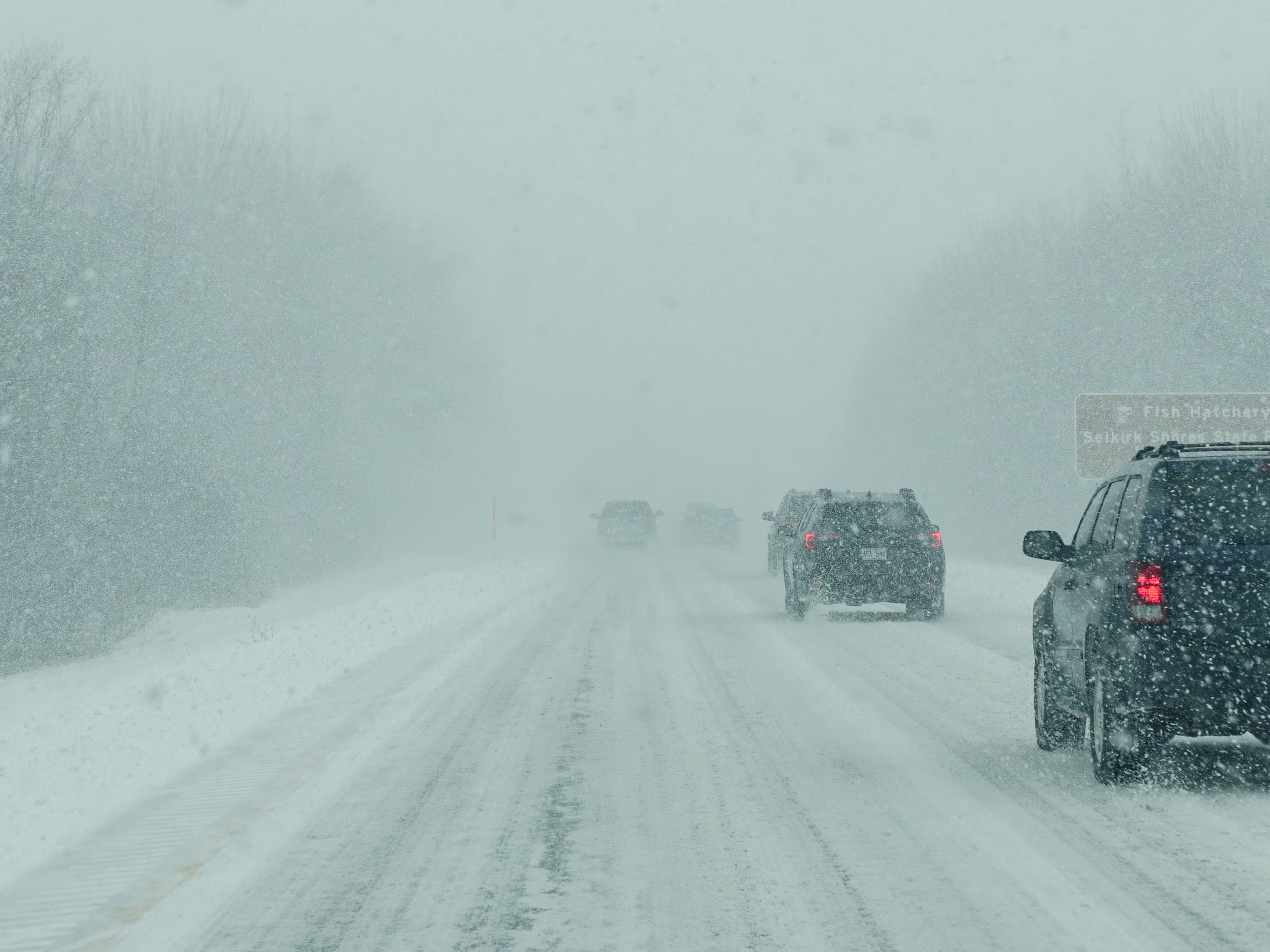
Severe winter storms can affect almost every part of daily life.
Travel Disruptions
Snow-covered roads and icy highways make driving extremely dangerous. Airports often cancel flights during major storms, and public transportation may also be delayed.
Power Outages
Heavy snow and ice can weigh down power lines and tree branches, sometimes causing large-scale power outages.
School and Business Closures
Many schools and workplaces close during winter storm warnings to keep people safe.
Property Damage
Strong winds and heavy snow can damage roofs, trees, and vehicles.
Safety Tips During a Winter Storm Warning
If a winter storm warning has been issued for your area, taking precautions is essential.
Stay Indoors if Possible
Avoid unnecessary travel during heavy snow or icy conditions.
Prepare Emergency Supplies
Keep essential items ready in case you lose power or cannot leave home.
Important supplies include:
- Drinking water
- Non-perishable food
- Flashlights
- Batteries
- Warm blankets
- First aid kit
Keep Your Phone Charged
Power outages can happen during storms, so make sure your phone and backup batteries are charged.
Check Weather Updates
Follow updates from trusted sources such as local news and the National Weather Service for the latest storm information.
Preparing Your Home for Winter Storms
Preparing your home before a winter storm arrives can make a big difference.
Helpful preparation steps include:
- Insulating pipes to prevent freezing
- Checking heating systems
- Stocking food and supplies
- Keeping snow shovels and ice melt ready
- Charging backup power devices
Being prepared reduces stress and improves safety during severe weather.
Winter Storm Warning vs Winter Weather Advisory
Many people confuse a winter storm warning with a winter weather advisory.
Here is the difference:
Winter Weather Advisory:
Issued for less severe conditions that may still cause inconvenience.
Winter Storm Warning:
Issued when dangerous winter weather is expected to cause major disruptions and safety risks.
Warnings indicate a higher level of danger.
The Role of Weather Forecasting Technology
Modern weather forecasting technology helps meteorologists predict winter storms earlier than ever before.
Tools used to monitor storms include:
- Weather satellites
- Doppler radar systems
- Computer weather models
- Climate monitoring stations
These technologies allow scientists to track storms and provide timely warnings to the public.
Final Thoughts
A winter storm warning is a serious weather alert that should never be ignored. Heavy snow, ice, and strong winds can create dangerous conditions that affect travel, power systems, and everyday life.
By understanding what these warnings mean and preparing ahead of time, individuals and communities can stay safer during severe winter weather events.
When a winter storm warning is issued, the best approach is simple: stay informed, prepare early, and prioritize safety.
For More Please Visit: Streetwearhub